
Oscillometric vs Optical Blood Pressure Measurement: Which Is More Accurate?
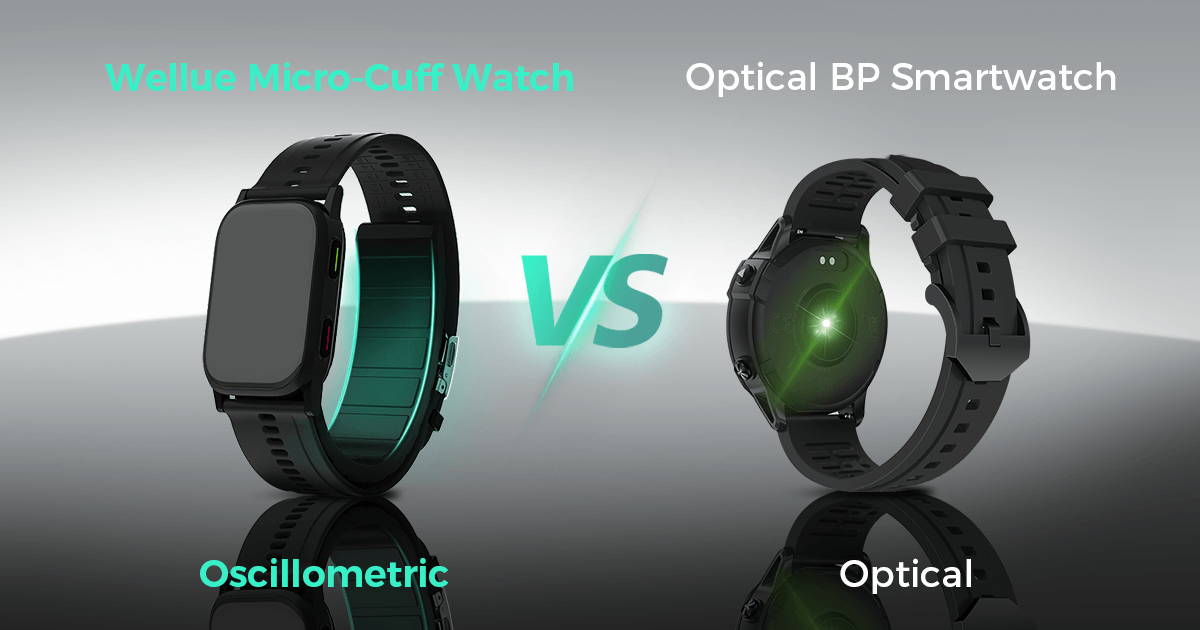
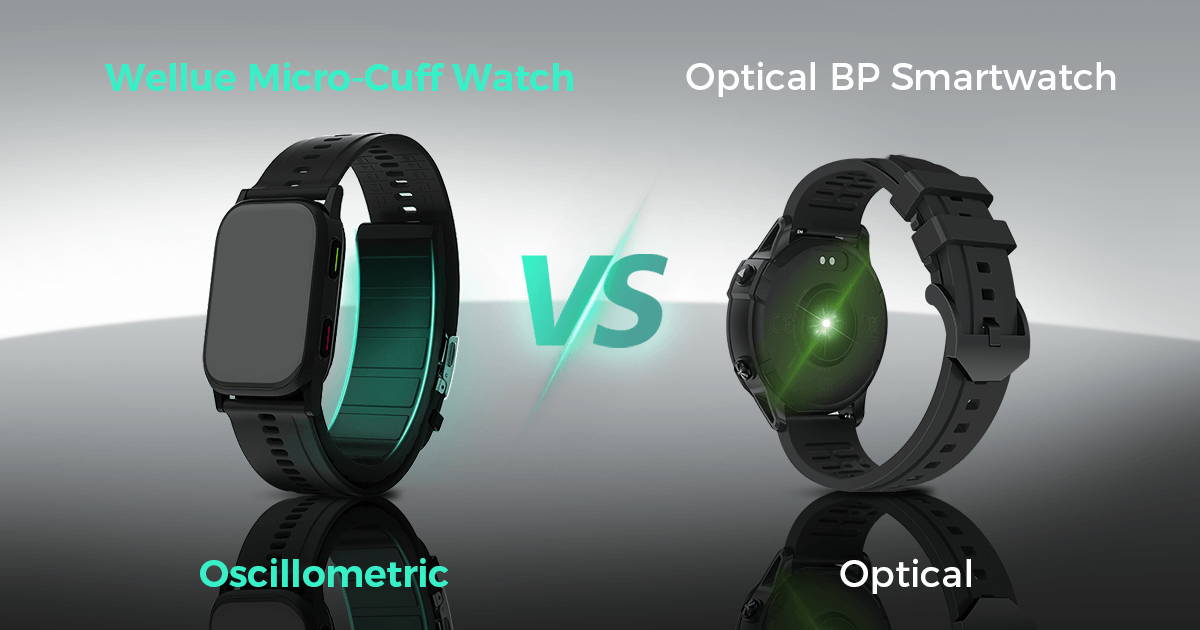
Oscillometric vs Optical Blood Pressure Measurement: Which Is More Accurate?
Monitoring blood pressure at home has become increasingly common, especially with the rise of wearable health devices.
However, not all blood pressure measurements are created equal.
Two methods are most often discussed today: oscillometric blood pressure measurement and optical (PPG-based) blood pressure estimation.
While both appear in consumer devices, they work very differently, and those differences directly affect accuracy and reliability.
This guide explains how each method works, their limitations, and which approach is generally more reliable for daily blood pressure monitoring.
What Is Blood Pressure Measurement and Why Accuracy Matters
Blood pressure measures the force of blood pushing against artery walls, typically expressed as systolic (pressure during a heartbeat) and diastolic (pressure between beats).
For home monitoring, accuracy matters, but consistency matters even more.
A reliable device should provide readings that are stable over time, allowing users and healthcare professionals to identify trends rather than rely on isolated numbers.
This is where the measurement method becomes critical.
What Is Oscillometric Blood Pressure Measurement?
How the Oscillometric Method Works
The oscillometric method measures blood pressure by detecting pressure oscillations caused by blood flow through an artery during cuff inflation and deflation.
In traditional upper-arm blood pressure monitors, an inflatable cuff temporarily restricts blood flow. As the cuff pressure changes, the device analyzes oscillations in the artery to calculate systolic and diastolic pressure.
This method does not estimate blood pressure indirectly, it measures pressure-related signals directly.
Where Oscillometric Measurement Is Commonly Used
- Upper-arm blood pressure monitors
- Wrist blood pressure monitors with an aircuff
- Clinical and home medical blood pressure devices
What Is Optical (PPG-Based) Blood Pressure Estimation?
How Optical Blood Pressure Estimation Works
Optical blood pressure estimation relies on photoplethysmography (PPG).
PPG sensors shine light into the skin and detect changes in blood flow based on light reflection.
Instead of measuring pressure directly, optical systems estimate blood pressure by combining heart rate, pulse wave data, and algorithms trained on population averages.
Limitations of Optical Blood Pressure Estimation
- Skin tone and thickness
- Tattoos or wrist movement
- Ambient light conditions
- Frequent calibration requirements
- Algorithm drift over time
Oscillometric vs Optical: Key Differences That Affect Accuracy
Below is a direct comparison of the two approaches.
Oscillometric Measurement
Optical (PPG-Based) Estimation
Measurement principle
Pressure-based oscillations
Light-based estimation


(including micro aircuffs)
Low
High
Widely used
Not standard
High
Variable
This difference in methodology explains why the two approaches often produce different results in real-world use.
Which Method Is More Accurate for Daily Blood Pressure Monitoring?
Accuracy depends on how blood pressure is measured.
Measurement methods that capture pressure-related signals directly tend to provide more consistent readings, particularly when tracking blood pressure trends over time.
Optical estimation methods can fluctuate due to external factors and algorithmic assumptions, which may affect long-term reliability for blood pressure monitoring.
For users managing hypertension or monitoring daily blood pressure patterns, consistency and repeatability are often more important than single-point estimates.
Accuracy vs Consistency: What Really Matters for Home Monitoring
In home settings, blood pressure readings are typically used to:
- Track long-term trends
- Identify changes over time
- Support conversations with healthcare professionals
Because of this, consistency is often more meaningful than absolute precision in a single measurement.
Devices designed to apply the same measurement method repeatedly under similar conditions generally provide more useful insights for daily monitoring.
Choosing the Right Blood Pressure Monitoring Device
When Oscillometric-Based Devices May Be a Better Choice
Oscillometric measurement may be more suitable if you:
- Monitor blood pressure regularly at home
- Need stable, repeatable readings over time
- Have been advised by a healthcare professional to track trends
When Optical Estimation May Be Sufficient
- General wellness tracking
- Casual, non-clinical reference
How Modern Wrist Devices Apply Oscillometric Measurement
Some modern wrist blood pressure watches integrate a miniaturized aircuff, allowing oscillometric measurement in a wearable form factor.
This approach combines the measurement principle used in traditional blood pressure monitors with the convenience of a wrist-worn device.
Learn how a wrist-based oscillometric blood pressure watch works
Related Products
Related Products